
When we think of Britain’s efforts during the Second World War, images of brave soldiers, Spitfire pilots, and resilient evacuees often come to mind. But behind the frontlines, thousands of women were fighting a different kind of battle – on the fields. These women, known as the Women’s Land Army (WLA) or “Land Girls,” played a vital role in keeping Britain fed during one of its darkest periods. This is their remarkable story.
What Was the Women’s Land Army?
The Women’s Land Army was a civilian organisation that recruited women to work on farms during the Second World War. With many male farmworkers away serving in the armed forces, the country faced a critical labour shortage. The Land Girls stepped in, ensuring crops were planted, livestock were cared for, and the nation had enough food to survive.
The WLA wasn’t new. It was first created in 1917 during the First World War and reformed in June 1939 as tensions in Europe rose again. By 1944, the organisation had grown to include over 80,000 women.
Did You Know?
- Land Girls worked an average of 50 hours a week during summer and 48 hours in winter.
- Women were paid 28 shillings per week, less than male farmworkers.
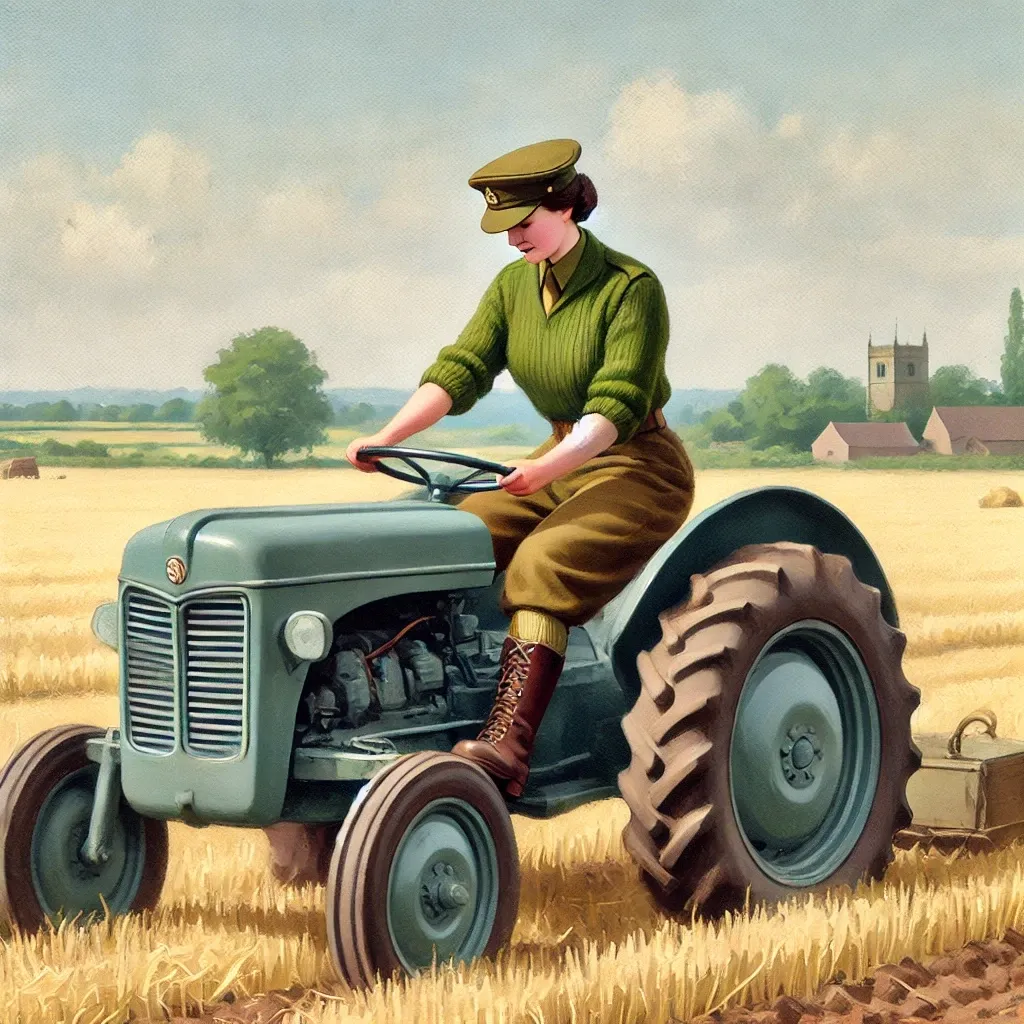
- Many Land Girls were trained to operate heavy machinery, including tractors, which was groundbreaking for women at the time.
- Some Land Girls received commendations for bravery, such as during bomb raids when they rescued animals or safeguarded crops.
Who Were the Land Girls?
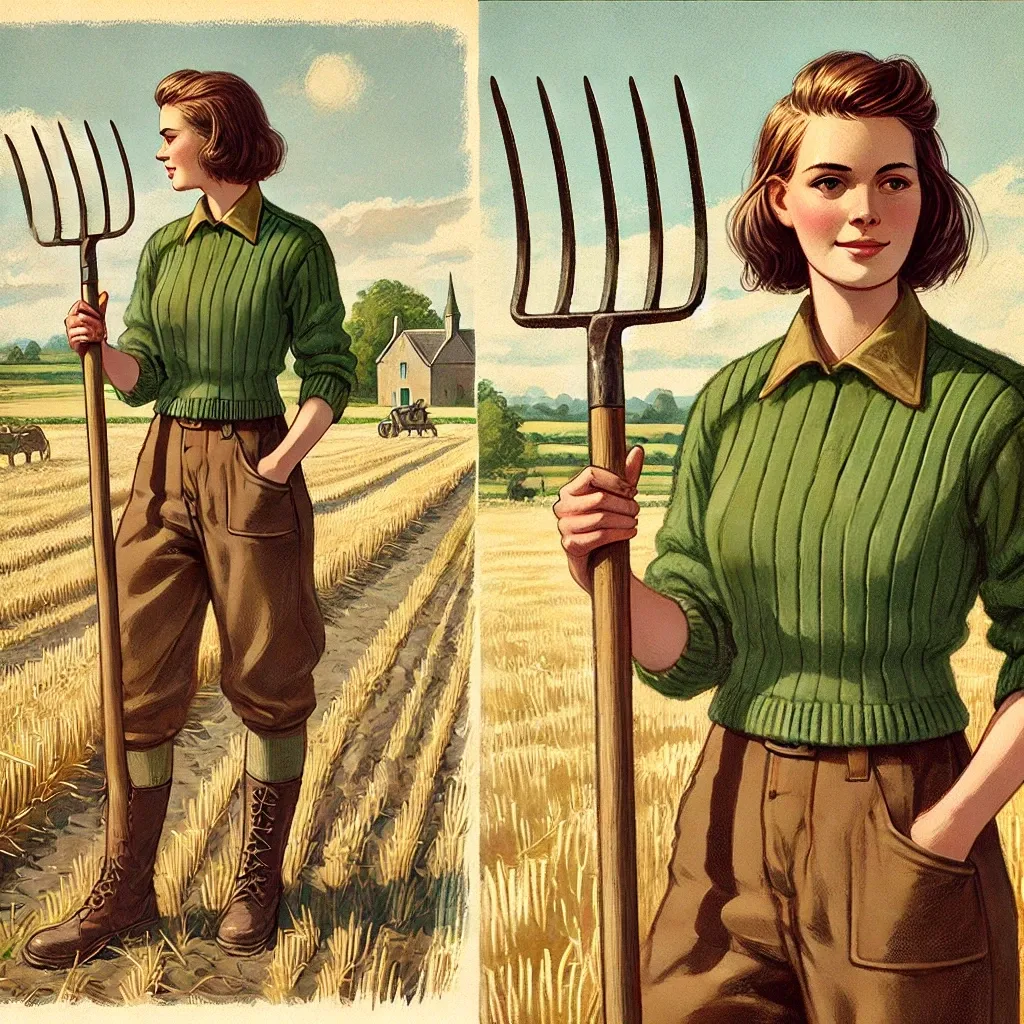
The Land Girls came from all walks of life. Some were from rural villages and had farming experience, but many were city girls with little to no knowledge of agriculture. By autumn 1941, over 20,000 women had volunteered for the WLA, with one-third hailing from London and other major cities.
These women were aged between 17 and 50. Most joined out of a sense of duty, wanting to contribute to the war effort. Others saw it as an opportunity to escape the city and experience something new. Whatever their background, they all shared a commitment to their work and an unshakeable determination to make a difference.
Life as a Land Girl
A Day in the Life
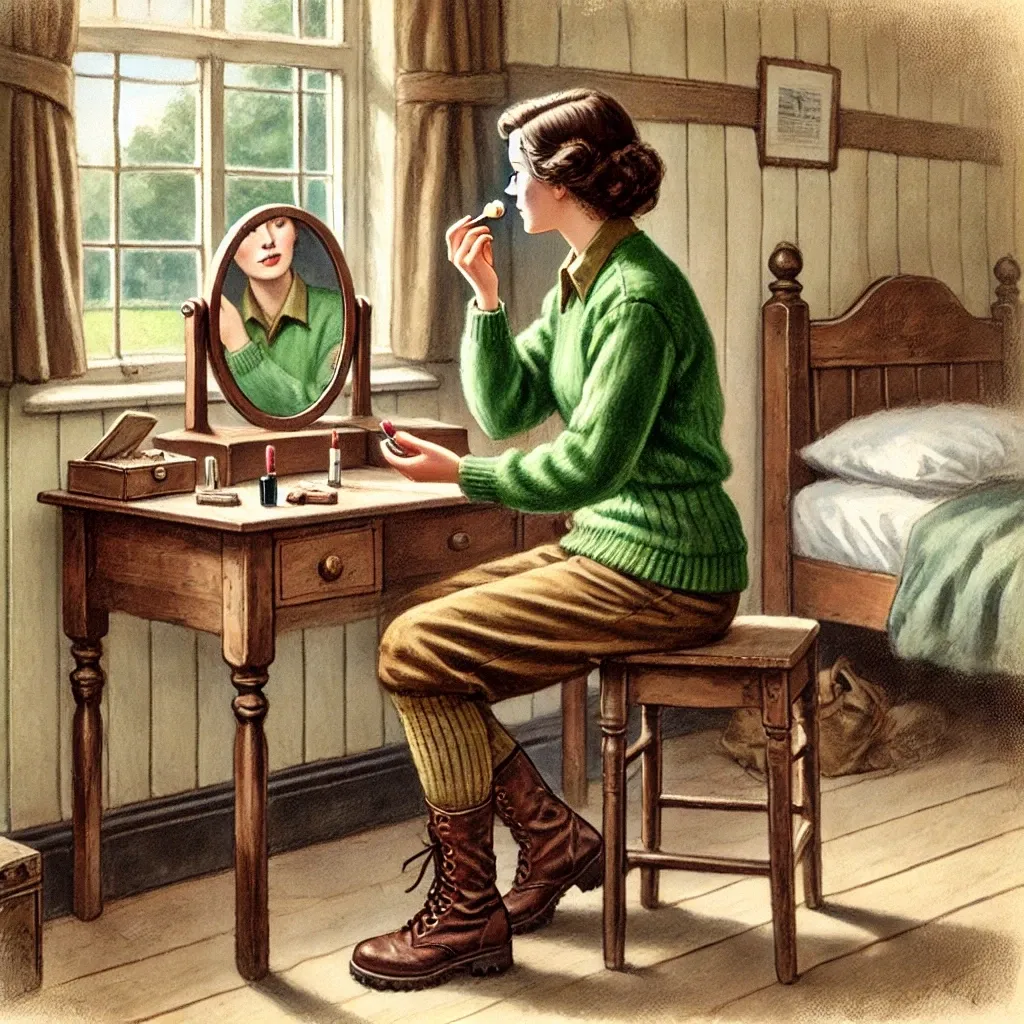
Life as a Land Girl wasn’t glamorous. The work was physically demanding, often involving early starts and long hours in all weather conditions. Here’s a breakdown of a typical day:
- 5:30 AM: Wake up and prepare for the day.
- 6:00 AM: Milk the cows and feed livestock.
- 8:00 AM: Breakfast and briefing for the day’s tasks.
- 9:00 AM: Head to the fields for ploughing or planting.
- 12:30 PM: Lunch break, often a packed sandwich in the field.
- 1:30 PM: Continue harvesting crops or tending to machinery.
- 5:00 PM: Evening chores, such as feeding animals or cleaning equipment.
- 7:00 PM: Dinner and a chance to relax with fellow Land Girls.
- 9:00 PM: Bedtime, ready to do it all again.
The Uniform
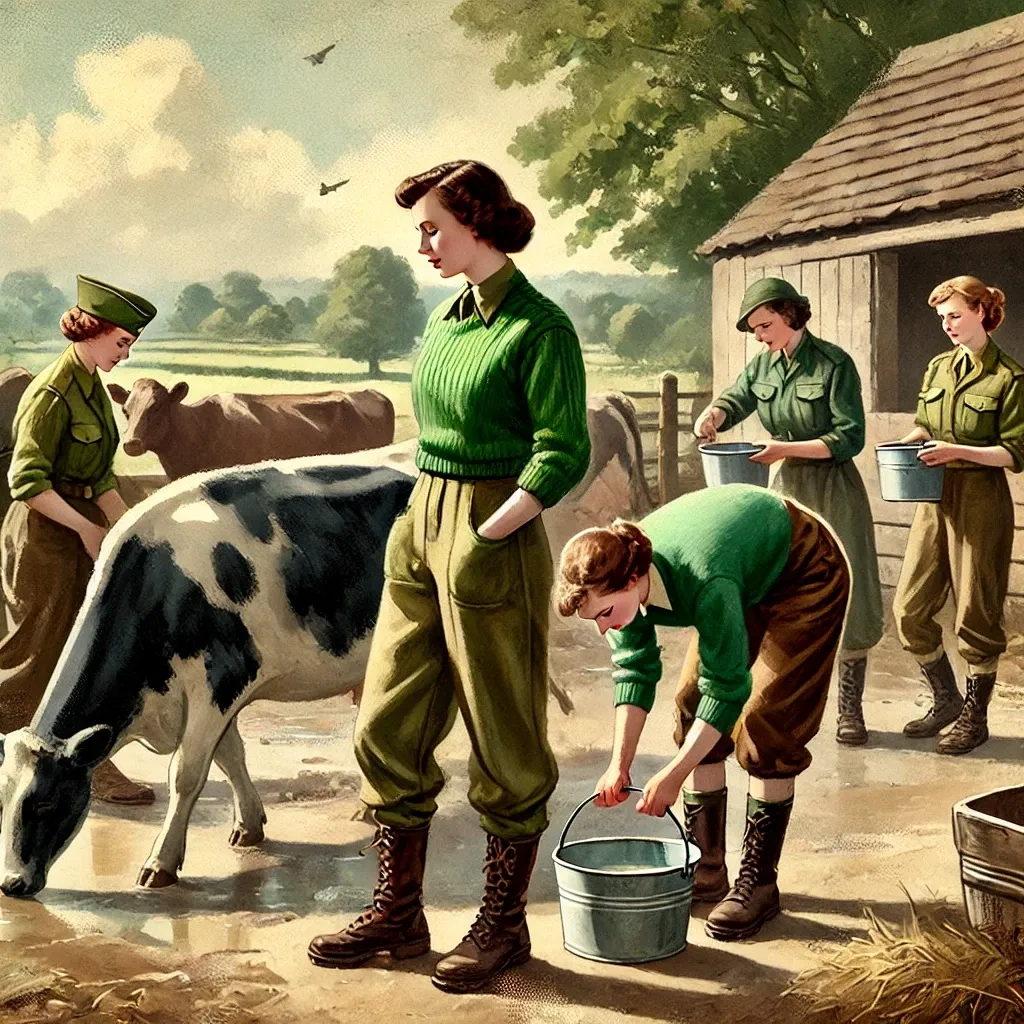
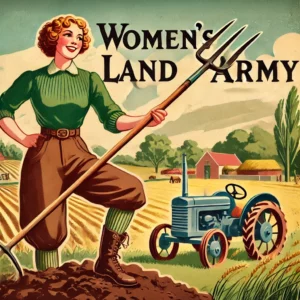
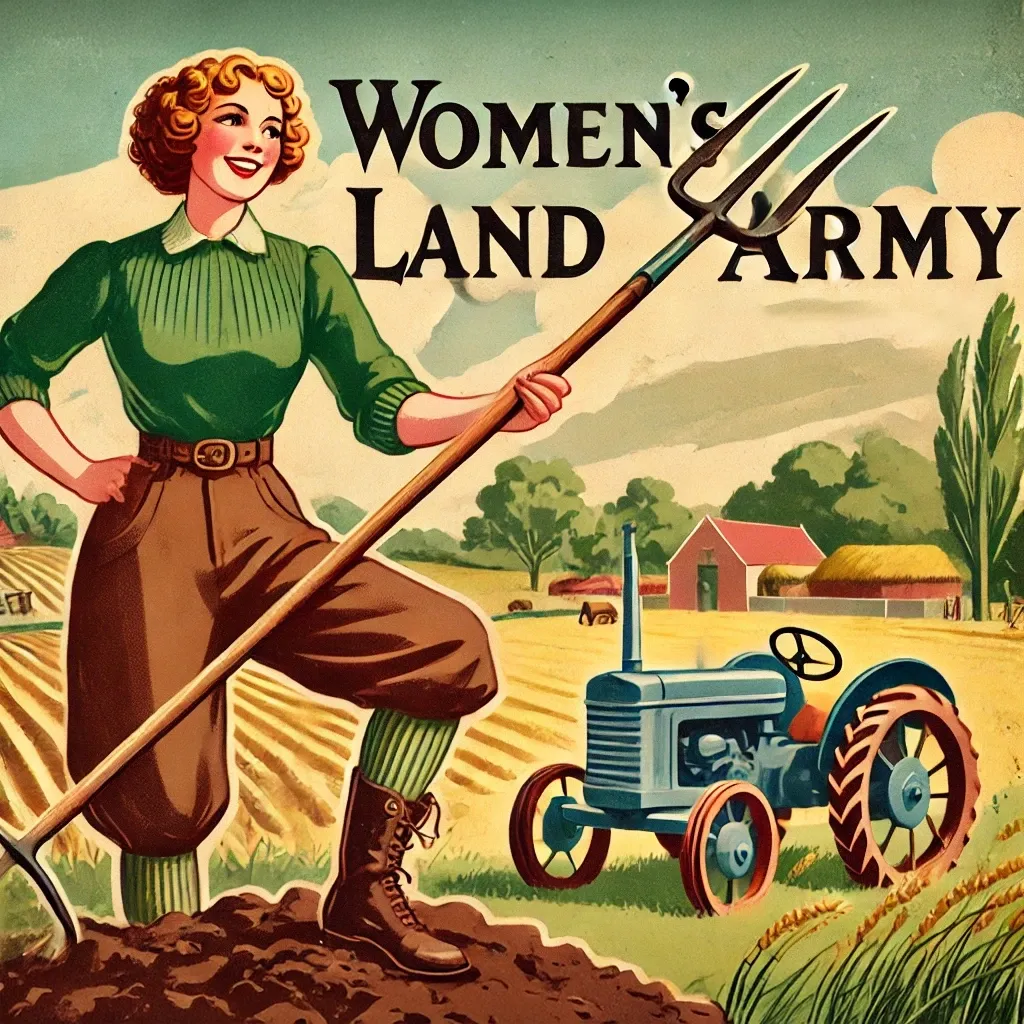
Land Girls were given a standard uniform, which included a green jumper, brown breeches, a brown felt hat, and sturdy lace-up boots. Although practical, it wasn’t the most comfortable attire, and many women had to make do with what they were given.
Challenges and Triumphs
Overcoming Scepticism
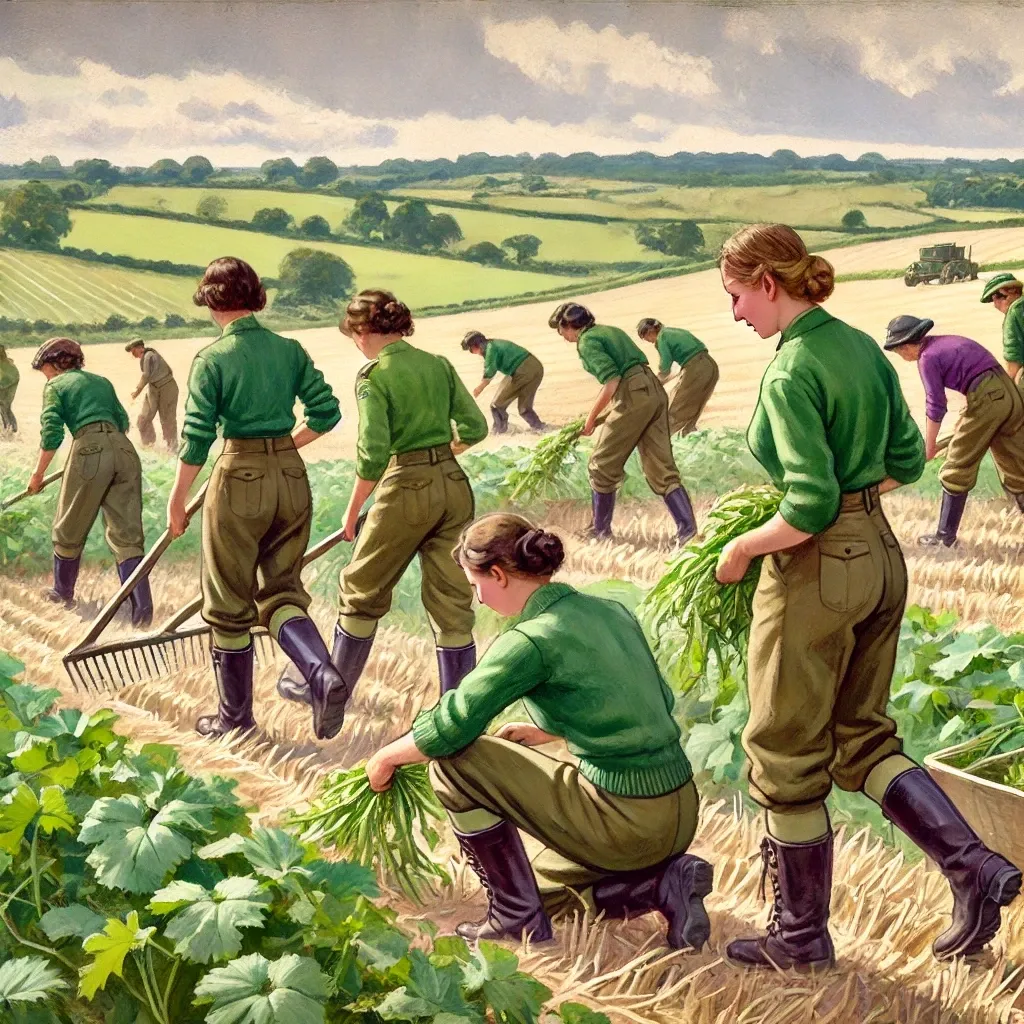
When the WLA was first re-established, many male farmers were sceptical about women’s ability to handle hard manual labour. But the Land Girls quickly proved their worth. Their determination and hard work showed that women were more than capable of managing the demands of farm life.
Living Conditions
Living conditions varied widely. Some Land Girls stayed in farmhouses or workers’ cottages, while others lived in communal hostels. Facilities were often basic, and luxuries like running water or heating were rare. Despite these challenges, many women formed lifelong friendships and developed a deep camaraderie.
Did the Land Girls Make a Difference?
Absolutely. The Land Girls were instrumental in keeping Britain’s food supplies stable during the war. By increasing the amount of land under cultivation and ensuring crops were harvested, they helped prevent widespread hunger in a time of severe rationing and restricted imports.
Legacy of the Land Girls
The Women’s Land Army left a lasting legacy. Their work not only ensured Britain’s survival during the war but also challenged traditional gender roles. The sight of women driving tractors and managing farms helped pave the way for greater gender equality in the workplace.
Today, the story of the Land Girls is remembered as a testament to the resilience, strength, and determination of women in times of crisis. Their contribution to Britain’s wartime effort remains a source of inspiration and pride.