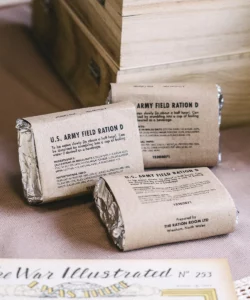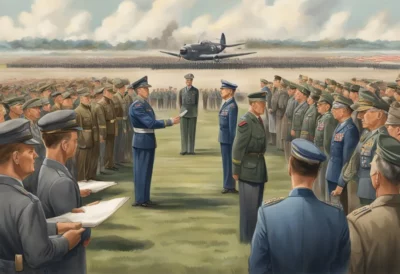

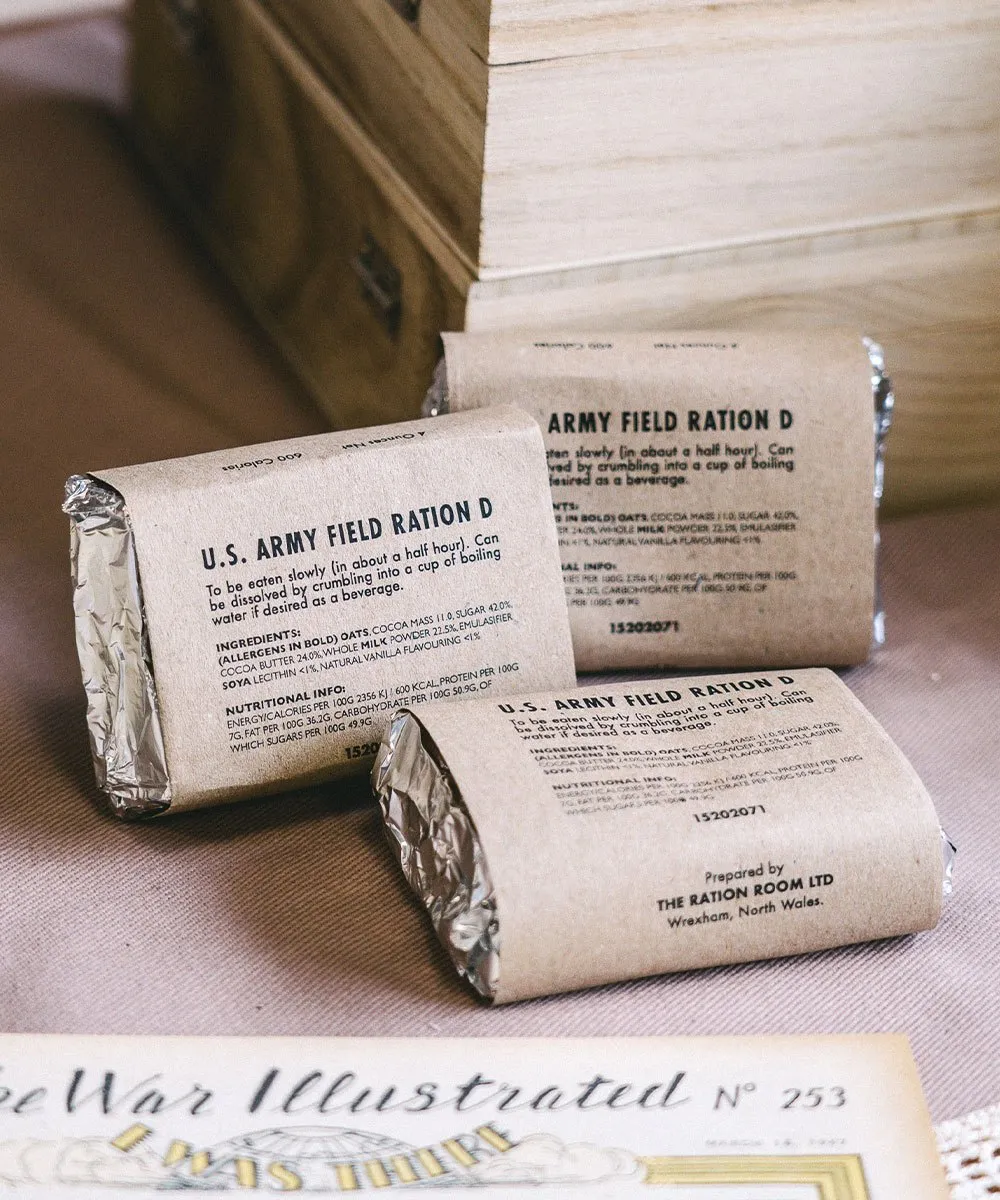
During World War II, American troops were issued a unique type of ration known as the D-Ration Bar. This chocolate bar was designed to withstand high temperatures and provide a source of energy for soldiers in the field. While not considered a gourmet treat, the D-Ration Bar played an important role in the war effort and has since become a fascinating piece of military history.
The D-Ration Bar was created in response to the need for a high-energy, non-perishable food source that could withstand the rigors of combat. Developed by the Hershey Chocolate Corporation, the bars were made from a mixture of chocolate, sugar, cocoa butter, and oat flour. The bars were designed to be resistant to melting, even in extreme temperatures, and were packaged in a wax-coated cardboard wrapper to protect them from moisture.
Despite its practicality, the D-Ration Bar was not a popular item among soldiers. Its hard, dry texture and lack of flavour made it a last resort for many troops. However, the bar’s high calorie content and durability made it a valuable asset in emergency situations. Today, the D-Ration Bar remains a fascinating piece of military history, providing a unique glimpse into the ingenuity and resourcefulness of American troops during World War II.
Historical Context
The D-Ration Bar, also known as the Emergency Ration D or D-Bar, is a chocolate bar that was developed for and widely used by American soldiers during World War II. The bar was designed to be a high-energy food source that could withstand extreme temperatures and rough handling.
Development During World War I
The D-Ration Bar was not the first emergency ration developed for soldiers. In fact, the concept of an emergency ration can be traced back to World War I, when soldiers were issued tins of hardtack, a dense, dry biscuit that could be stored for long periods of time without spoiling.
However, hardtack was not an ideal emergency ration. It was heavy and difficult to carry, and soldiers often found it unappetizing. In response, the U.S. Army Quartermaster Corps began developing a new type of emergency ration that would be more palatable and easier to transport.
Widespread Use in World War II
The D-Ration Bar was first introduced in 1937, but it was not until World War II that it became widely used by American soldiers. The bar was designed to provide a high-energy food source that could be carried easily by soldiers in the field.
The D-Ration Bar was not without its drawbacks, however. The chocolate coating was prone to melting in hot temperatures, and the bar was so hard that soldiers often had to break it into pieces with a rifle butt or other hard object.
Despite these issues, the D-Ration Bar was an important source of sustenance for American soldiers during World War II. It was also used by German soldiers, who developed their own version of the bar, known as the Notverpflegung (emergency ration).
Overall, the D-Ration Bar played an important role in the history of emergency rations and the development of high-energy food sources for soldiers in the field.
Design and Composition
The D-Ration Bar is a high-calorie food bar that was originally developed for use by the United States Army during World War II. The bar was designed to provide soldiers with a compact, durable, and nutritionally dense source of energy that could be easily carried in the field.
Ingredients and Nutritional Value
The D-Ration Bar is made up of a variety of ingredients, including oat flour, sugar, cacao fat, skim milk powder, and vitamin B1. These ingredients are combined in a specific ratio to provide a high-calorie, high-energy food source that can sustain soldiers in the field.
Each bar contains approximately 600 calories, making it an ideal source of energy for soldiers who are engaged in strenuous activity. In addition to its high calorie count, the bar is also rich in nutrients and vitamins, making it a well-rounded source of nutrition for soldiers.
Physical Characteristics
The D-Ration Bar is designed to be compact and durable, making it easy to carry in the field. The bar is approximately 2.5 inches wide, 1.5 inches tall, and 0.5 inches thick, making it small enough to fit in a pocket or backpack.
The bar is also designed to be resistant to temperature extremes, which makes it ideal for use in a variety of environments. The bar is able to withstand temperatures ranging from -40°F to 120°F, which means that it can be stored in a variety of conditions without losing its nutritional value or becoming inedible.
Overall, the D-Ration Bar is a well-designed and nutritionally dense food source that has been used by soldiers in the field for decades. Its unique combination of ingredients and physical characteristics make it an ideal source of energy for soldiers who are engaged in strenuous activity, and its durability and resistance to temperature extremes make it a reliable source of nutrition in a variety of environments.
Manufacturing Process
Hershey’s Production
The D-Ration Bar was first produced by the Hershey Company in 1937 for the US Army during World War II. The manufacturing process of the D-Ration Bar was designed to produce a shelf-stable, high-calorie food bar that could withstand extreme temperatures and rough handling during transportation.
The Hershey Company used a specialized process to manufacture the D-Ration Bar. The process involved mixing chocolate, sugar, and other ingredients to create a thick, dough-like mixture. The mixture was then pressed into molds, which were then cooled to form the final product. The D-Ration Bar was then wrapped in a special moisture-proof wrapper to protect it from the elements.
Quality Control
Quality control was an essential part of the manufacturing process of the D-Ration Bar. The Hershey Company had to ensure that each bar met the strict requirements set by the US Army. The bars had to be high in calories, easy to store, and able to withstand extreme temperatures.
To ensure quality control, the Hershey Company conducted extensive testing on the D-Ration Bar. The bars were tested for calorie content, moisture content, and shelf life. The company also conducted taste tests to ensure that the bars were palatable to soldiers.
In conclusion, the Hershey Company played a crucial role in the manufacturing of the D-Ration Bar during World War II. The company’s specialized manufacturing process and quality control measures ensured that soldiers had access to a high-calorie, shelf-stable food source that could withstand extreme conditions.
Military Significance
The development of the D-Ration Bar was a significant milestone in the history of military rations. This emergency ration was designed to provide sustenance to soldiers during combat situations where regular food supplies were not available. The D-Ration Bar was created by the U.S. Army Quartermaster Corps in 1937 and was initially intended to be a substitute for the Emergency Ration, which was a heavy, bulky, and unappetising food packet.
Rations in Combat
During combat, soldiers need to be well-fed to maintain their physical and mental strength. The D-Ration Bar was a compact and lightweight food source that provided the necessary nutrients to soldiers on the front lines. The bar was made of chocolate and contained a high-calorie count, making it an ideal source of energy for soldiers in combat. The D-Ration Bar was also easy to carry and could be stored for long periods without spoiling.
Morale and Psychological Impact
The D-Ration Bar was not only important for providing sustenance to soldiers, but it also had a significant psychological impact on them. The bar was seen as a morale booster and a symbol of hope during times of war. Soldiers knew that they could rely on the D-Ration Bar to provide them with the energy they needed to carry out their duties, even in the most challenging of circumstances. The bar also helped to boost morale by providing soldiers with a small taste of home, as it was made of chocolate.
In conclusion, the D-Ration Bar played a significant role in the history of military rations. It was an essential source of sustenance for soldiers during combat and helped to boost morale during times of war. The development of the D-Ration Bar was a testament to the U.S. Army’s commitment to ensuring that soldiers were well-fed and taken care of, even in the most challenging of circumstances.
Cultural and Social Impact
The D-Ration Bar had a significant cultural and social impact during World War II. The following subsections will explore some of the ways in which this emergency ration bar affected civilian life, American culture, and the soldiers who relied on it.
Chocolate in Civilian Life
One of the most significant impacts of the D-Ration Bar was its association with chocolate. According to research, the developers of the bar were concerned that if it tasted too good, soldiers would eat it all at once. To prevent this, they made the bar extremely bitter, with a high cocoa content.
This association with chocolate had a lasting impact on American culture. After the war, chocolate bars became a popular treat, especially around Halloween. The D-Ration Bar may have played a role in this, as soldiers who had grown accustomed to the taste of bitter chocolate may have sought out sweeter versions when they returned home.
Iconography in American Culture
The D-Ration Bar also had a significant impact on American culture in terms of its iconography. The bar itself was a small, rectangular brick, wrapped in foil and paper. This design became iconic, and was later used for other candy bars, such as the Hershey’s Milk Chocolate Bar.
The D-Ration Bar also appeared in popular culture, such as in the HBO series Band of Brothers. In one episode, soldiers are shown receiving D-Ration Bars and complaining about the taste. This scene highlights the bar’s significance as a symbol of the hardships faced by soldiers during the war.
Band of Brothers
Band of Brothers is a ten-part miniseries produced by HBO, based on the book of the same name by historian Stephen E. Ambrose. The series follows the men of Easy Company, a parachute infantry regiment, from their initial training in Georgia, through their deployment in Europe, and finally to the end of the war.
The D-Ration Bar plays a significant role in the series, as it was a staple of the soldiers’ diet. The bar’s bitter taste and high cocoa content are frequently referenced, and soldiers are shown trading cigarettes and other items for a taste of the coveted treat.
Overall, the D-Ration Bar had a significant cultural and social impact during World War II. Its association with chocolate, iconic design, and appearance in popular culture have ensured its place in American history.
Innovations and Variants
The D-Ration Bar was a significant innovation that revolutionized the way military rations were created. However, there were several variants of the D-Ration Bar that were developed over time to meet the changing needs of soldiers. This section discusses some of the most notable innovations and variants of the D-Ration Bar.
Tropical Bar Adaptations
During World War II, soldiers in the Pacific Theater faced a unique challenge: the high temperatures and humidity caused the D-Ration Bar to melt and become inedible. To address this issue, the Tropical Bar was developed. This variant of the D-Ration Bar was made with a higher melting point and could withstand the hot and humid conditions of the Pacific Theater. The Tropical Bar was also fortified with vitamins and minerals to combat malnutrition.
Modern Military Rations
Today, the D-Ration Bar is no longer used in military rations. Instead, soldiers are provided with a variety of modern rations, including the K Ration and the Meal, Ready-to-Eat (MRE). The K Ration was introduced during World War II as a lighter and more compact alternative to the heavier C Ration. The K Ration consisted of three meals, each packaged in a separate box. The MRE, on the other hand, is a complete meal in a single package. It contains a main course, side dishes, desserts, and snacks. The MRE also comes with a flameless ration heater, which allows soldiers to heat up their meals without a stove or fire.
In conclusion, the D-Ration Bar was a significant innovation in military rations, and its variants have continued to evolve to meet the changing needs of soldiers. While the D-Ration Bar is no longer used in modern military rations, its legacy lives on in the form of the K Ration and the MRE.
Legacy and Recognition
The D-Ration Bar, initially developed as a survival ration for soldiers during World War II, has left a lasting legacy in the confectionery industry. The bar’s design was simple, consisting of a dense chocolate block that could withstand high temperatures and rough handling. Despite its unappetising taste, the D-Ration Bar was an essential source of sustenance for soldiers in the field.
Commemoration in Museums
Today, the D-Ration Bar is recognised as an important piece of military history. Several museums around the world have dedicated exhibitions to the ration, showcasing its impact on the war effort and the lives of soldiers. The National Museum of the United States Air Force in Dayton, Ohio, for instance, has a display of D-Ration Bars alongside other military rations.
Influence on Modern Confectionery
The D-Ration Bar’s impact on the confectionery industry has been significant. The bar’s dense texture and high cocoa content inspired the creation of several popular chocolate candies, including the Mars Bar and M&M’s. The candy industry has also taken inspiration from the D-Ration Bar’s design, producing compact, durable treats that can withstand harsh conditions.
Despite its humble origins, the D-Ration Bar has left a lasting legacy in both military history and the confectionery industry. Its impact on modern candy design and production is a testament to the ingenuity and resourcefulness of soldiers during World War II.
Frequently Asked Questions
What is the price range for D-Ration bars?
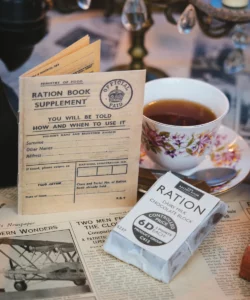
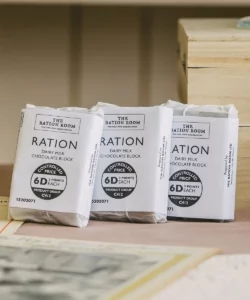
The original D-Ration bars were produced during World War II and are no longer available for purchase. However, there are some modern replicas available for purchase from our shop online.
Where can D-Ration bars be purchased?
As mentioned earlier, the original D-Ration bars are no longer available for purchase. However, there are replicas available for purchase from our online shop.
What ingredients were included in the original D-Ration bar?
The original D-Ration bar was made of a mixture of chocolate, sugar, cocoa butter, skim milk powder, and oat flour. The bar was designed to withstand high temperatures and had a high calorie content to provide sustenance for soldiers in the field.
How do D-Rations differ in content from K-Rations?
D-Rations and K-Rations were both developed during World War II to provide soldiers with easily transportable, high-calorie food options. However, D-Rations were specifically designed to withstand high temperatures and had a longer shelf life than K-Rations. Additionally, D-Rations were designed to be eaten as a meal replacement, while K-Rations were meant to supplement a soldier’s regular meals.