
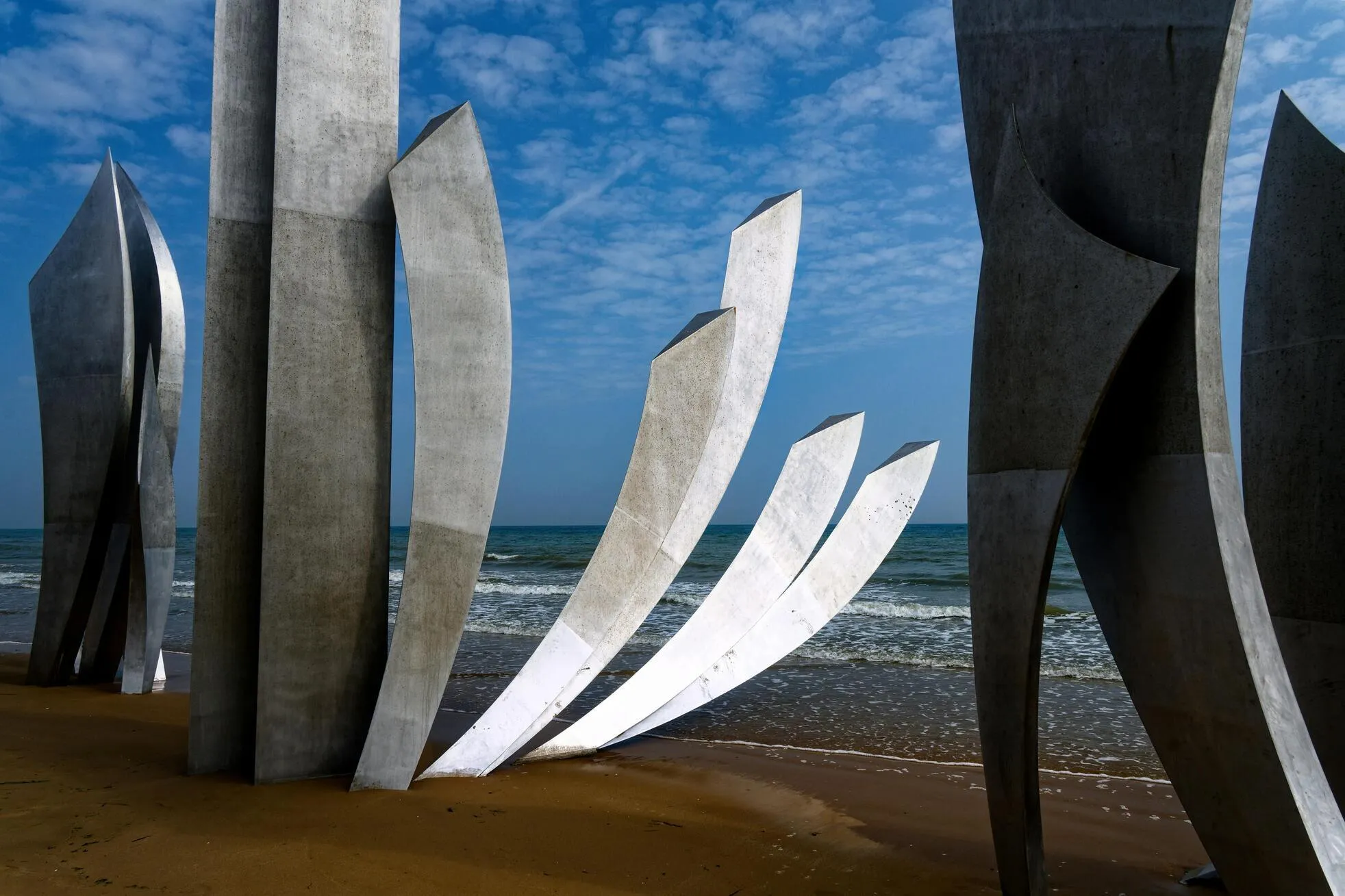
D-Day 80: Remembering the Allied Invasion of Normandy in 1944
On June 6, 1944, Allied forces launched a massive invasion of Normandy, France, in an effort to liberate Western Europe from Nazi control. This operation, codenamed “D-Day,” was a turning point in World War II and marked the beginning of the end for Nazi Germany. This year marks the 80th anniversary of this historic event, and commemorative events are being held across the United Kingdom to honour the bravery and sacrifice of the soldiers who fought and died on that fateful day.
The historical context of D-Day is essential to understanding its significance. The invasion was the result of months of planning and preparation by Allied leaders, and it involved the coordination of thousands of British troops, ships, and aircraft. The success of the operation hinged on the element of surprise, and the Allies went to great lengths to deceive the Germans about the location and timing of the invasion. Despite initial setbacks and heavy casualties, the Allies were ultimately able to establish a foothold in Normandy and begin their march towards victory.
As the 80th anniversary of D-Day approaches, people across the UK are coming together to remember and honour those who fought and died on that historic day. From personal stories and tributes to educational resources and media, there are many ways to learn about and commemorate this pivotal moment in history. Whether through visiting key locations of remembrance or participating in modern commemorative activities, the legacy of D-Day lives on, and its impact continues to be felt across the country.
Key Takeaways
- D-Day was a turning point in World War II and marked the beginning of the end for Nazi Germany.
- The success of the operation hinged on the element of surprise and the coordination of thousands of British troops, ships, and aircraft.
- As the 80th anniversary of D-Day approaches, people across the UK are coming together to remember and honour those who fought and died on that historic day.
Historical Context of D-Day
D-Day, also known as the Normandy Landings, was a significant event in the Second World War that took place on June 6, 1944. It was a joint operation by the Allied Forces to liberate German-occupied France and ultimately bring an end to the war.
Planning and Strategy
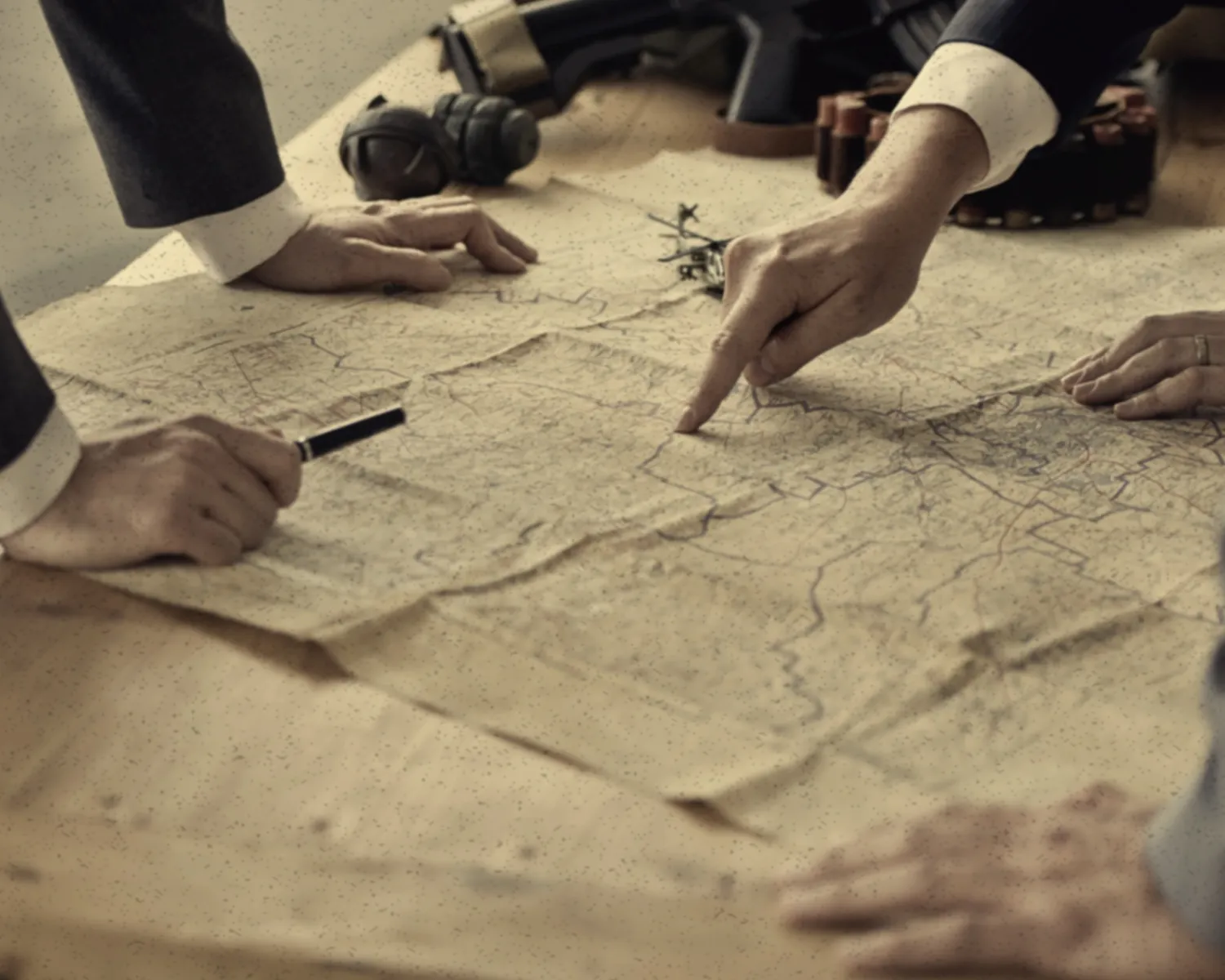
The planning and strategy for D-Day began in 1943 with Operation Overlord, a plan to invade Nazi-occupied Europe. The operation was led by General Dwight D. Eisenhower, who was appointed as the Supreme Commander of the Allied Forces in Europe. The operation required the coordination of land, sea, and air forces, and the planning involved months of preparation and training.
Operation Overlord
Operation Overlord was divided into two phases, with the first phase being the establishment of a beachhead in Normandy. The second phase involved the liberation of Paris and the eventual defeat of Germany. The success of the operation depended on the element of surprise, and the Allies went to great lengths to deceive the Germans about the location and timing of the invasion.
Operation Neptune
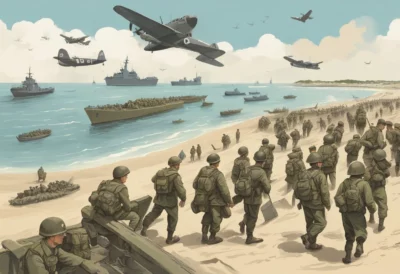
Operation Neptune was the naval component of Operation Overlord. It involved the transportation of troops and equipment across the English Channel to the beaches of Normandy. The operation was one of the largest amphibious invasions in history, and it required extensive planning and coordination between the naval and land forces.
In conclusion, the historical context of D-Day was a complex and challenging operation that required the coordination of multiple forces and months of planning and preparation. The success of the operation was a turning point in the Second World War and paved the way for the eventual defeat of Germany.
The 80th Anniversary Events
The 80th Anniversary of D-Day is an occasion of great significance, and there are several events planned to commemorate the historic event. This section will provide an overview of the Official Commemorations, Veterans’ Participation, and D-Day 80 Events.
Official Commemorations
The Ministry of Defence is leading the official commemorations for D-Day 80, which includes a series of events across the UK. The main event will take place on Southsea Common in Portsmouth, which will be attended by His Majesty The King, Heads of State, and other dignitaries. The event will include a flypast of historic aircraft, a military parade, and a wreath-laying ceremony.
Veterans’ Participation
The participation of veterans is an essential part of commemorating D-Day 80. The Ministry of Defence has invited veterans to attend the official events, and many will be taking part in parades and wreath-laying ceremonies. The veterans’ stories will be shared through interviews and documentaries, ensuring that their contributions are not forgotten.
D-Day 80 Events
In addition to the official commemorations, there are many D-Day 80 events planned across the UK. These events include exhibitions, concerts, and re-enactments. Portsmouth will be hosting a range of events, including a fireworks display, a screening of the movie “The Longest Day,” and a concert featuring the Royal Marines Band.
Related Posts:
- D-Day 80
- Register your interest in attending an official event to commemorate the 80th anniversary of D-Day.
Key Locations of Remembrance
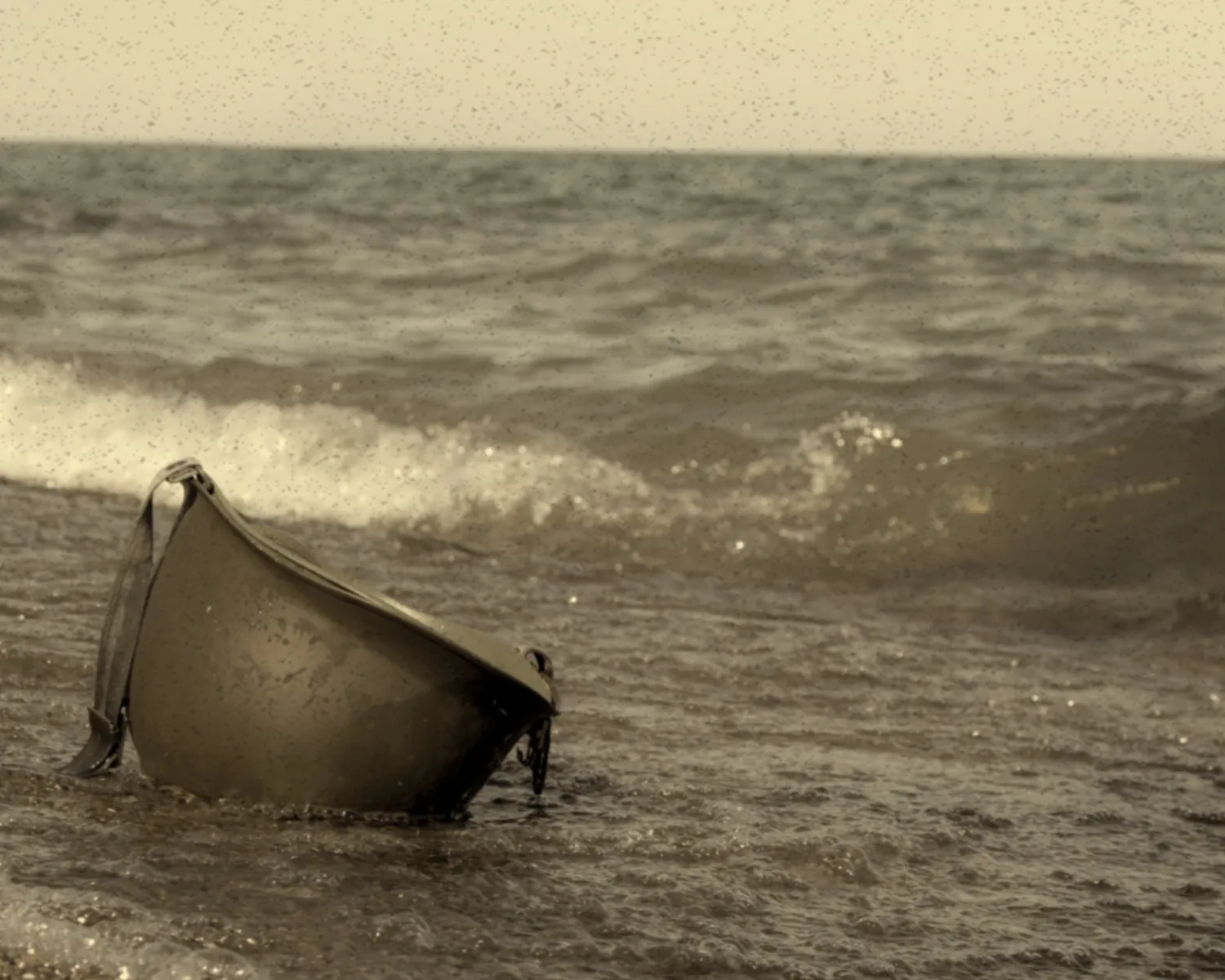
D-Day 80 is a time to remember the bravery and sacrifice of those who fought for freedom on the beaches of Normandy. There are several key locations of remembrance that honour the memory of those who fought and died on D-Day.
British Normandy Memorial
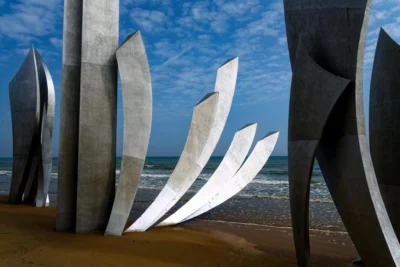
The British Normandy Memorial is a striking monument that honours the 22,442 members of the British Armed Forces who died during the Battle of Normandy. The memorial is located near the town of Ver-sur-Mer and overlooks Gold Beach, one of the five beaches where Allied forces landed on D-Day. The monument features a 50-metre-long stone wall inscribed with the names of the fallen, as well as a bronze sculpture of three soldiers.
Bayeux War Cemetery
The Bayeux War Cemetery is the largest Commonwealth cemetery in Normandy and is the final resting place of over 4,000 Commonwealth soldiers who died during the Battle of Normandy. The cemetery is located in the town of Bayeux and is maintained by the Commonwealth War Graves Commission. The cemetery features beautifully manicured lawns and rows of white headstones, each inscribed with the name, rank, and regiment of the fallen.
Ver-sur-Mer
Ver-sur-Mer is a small town on the Normandy coast that played a significant role in the D-Day landings. The town was liberated by Allied forces on June 6, 1944, and today it is home to several memorials and museums that honour the memory of those who fought and died on D-Day. The town’s beach, known as Gold Beach, was one of the five beaches where Allied forces landed on D-Day. Today, visitors can walk along the beach and visit the remains of the Mulberry Harbour, an artificial harbour that was built by the Allies to support the D-Day landings.
Overall, these key locations of remembrance provide a powerful reminder of the bravery and sacrifice of those who fought for freedom on the beaches of Normandy.
Personal Stories and Tributes
On the 80th anniversary of D-Day, it is important to remember the personal stories and tributes of those who were involved in the historic event. Eyewitness accounts, audio recordings, and unheard tapes provide a unique insight into the experiences of soldiers and civilians on that fateful day.
Eyewitness Accounts
D-Day veterans have shared their stories of bravery and sacrifice in countless interviews and memoirs. These personal accounts provide a vivid picture of the chaos and danger of the Normandy landings. Many veterans have also returned to the beaches of Normandy to pay tribute to their fallen comrades and to share their memories with future generations.
Audio Recordings
Audio recordings of D-Day provide a unique opportunity to hear the voices of those who were there. The Imperial War Museum has a collection of recordings made by war correspondents and BBC reporters who were on the scene during the landings. These recordings capture the sounds of gunfire, explosions, and the voices of soldiers and civilians caught up in the chaos of the battle.
The Unheard Tapes
In recent years, previously unheard tapes of D-Day have been discovered in archives and private collections. These tapes include recordings made by soldiers and civilians who were on the ground during the landings. They provide a unique insight into the experiences of those who were there and offer a new perspective on one of the most important events of the 20th century.
Overall, the personal stories and tributes of those involved in D-Day provide a powerful reminder of the sacrifices made by so many. Eyewitness accounts, audio recordings, and unheard tapes allow us to hear the voices of those who were there and to learn from their experiences.
Modern Commemorative Activities
Modern commemorative activities play a crucial role in ensuring that the memory of D-Day is kept alive for future generations. These activities include education and outreach, social media campaigns, and opportunities for the public to participate in events and ceremonies.
Education and Outreach
Educational resources and outreach programs are essential in ensuring that the memory of D-Day is passed on to future generations. Schools and universities across the UK are incorporating lessons on D-Day into their curriculums, and museums and historical societies are offering tours and exhibits that focus on the events of June 6, 1944. These programs help to educate young people about the importance of D-Day and the sacrifices made by the soldiers who fought and died on the beaches of Normandy.
Social Media Campaigns
Social media campaigns play a crucial role in raising awareness about D-Day and encouraging people to participate in commemorative activities. The #DDay80 hashtag has been used to share stories, photos, and videos related to the 80th anniversary of D-Day. These campaigns have helped to engage a global audience and ensure that the memory of D-Day is kept alive for future generations.
Public Participation
The public is invited to participate in a wide range of events and ceremonies to commemorate the 80th anniversary of D-Day. These activities include attending wreath-laying ceremonies, visiting museums and historical sites, and participating in re-enactments and parades. The Ministry of Defence has created a website where people can register their interest in attending an official event to commemorate the 80th anniversary of D-Day.
Overall, modern commemorative activities play a crucial role in ensuring that the memory of D-Day is kept alive for future generations. Education and outreach programs, social media campaigns, and opportunities for public participation help to ensure that the sacrifices made by so many are not forgotten.
The Legacy of D-Day
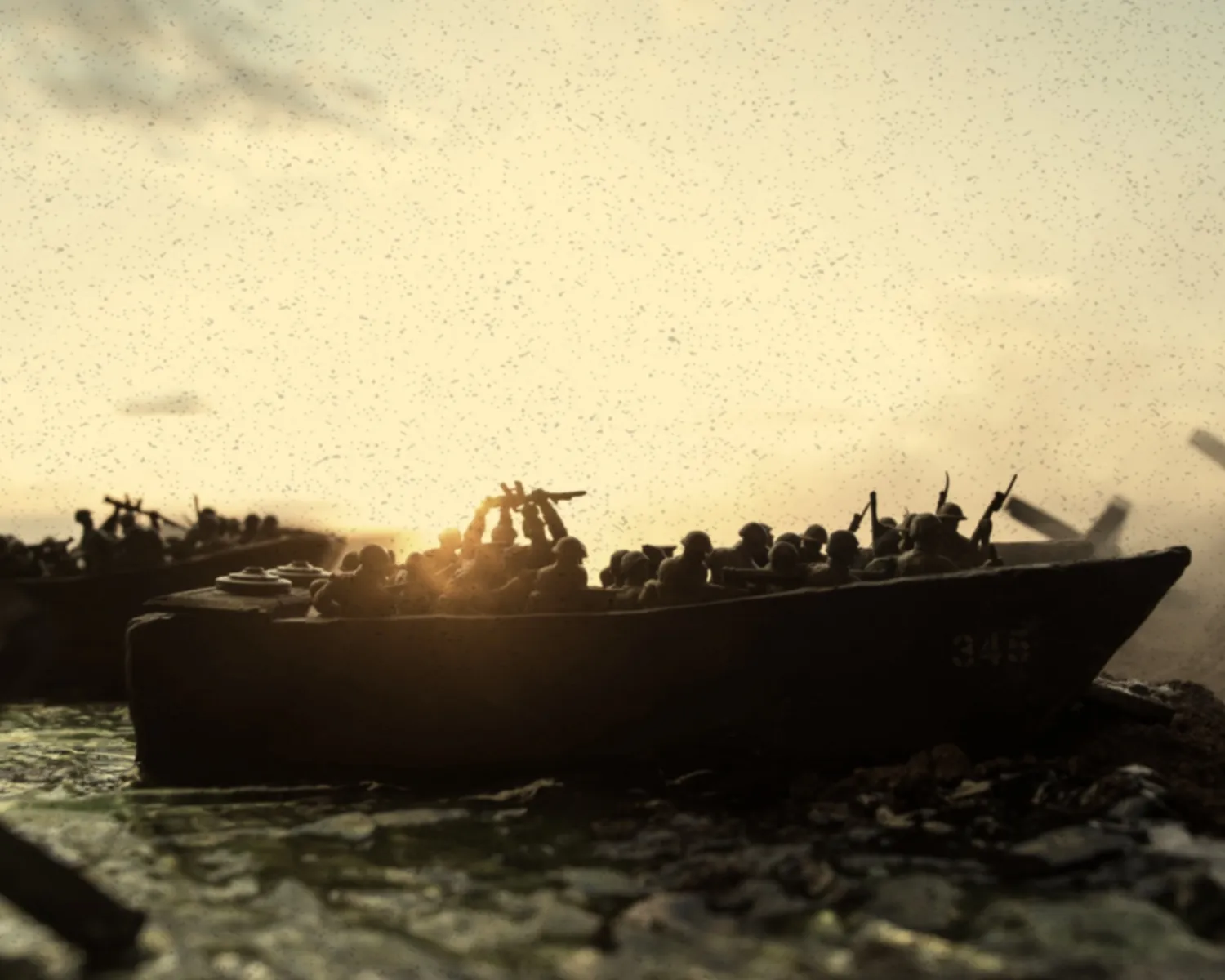
The legacy of D-Day is one of bravery, sacrifice, and resilience. The events of June 6, 1944, changed the course of history and paved the way for the eventual defeat of Nazi Germany. The legacy of D-Day is still felt today, as the memory of those who fought and died on the beaches of Normandy continues to inspire future generations.
The Impact on Modern History
D-Day had a significant impact on modern history. The success of the operation marked the beginning of the end for Nazi Germany and paved the way for the liberation of Western Europe. The bravery and sacrifice of the soldiers who fought on D-Day continue to be remembered and honoured around the world.
Honouring the Fallen
Honouring the memory of those who fought and died on D-Day is an important part of the legacy of the event. The key locations of remembrance, personal stories and tributes, and modern commemorative activities all play a crucial role in ensuring that the sacrifices made by so many are not forgotten. The bravery and resilience of the soldiers who fought on D-Day continue to inspire future generations.
Inspiring Future Generations
The legacy of D-Day continues to inspire future generations. The bravery and sacrifice of those who fought on the beaches of Normandy serve as a reminder of the importance of freedom and democracy. The lessons of D-Day are still relevant today, and the memory of those who fought and died on that fateful day continues to inspire people around the world.