

Battle of Britain (1940): The Turning Point of World War II
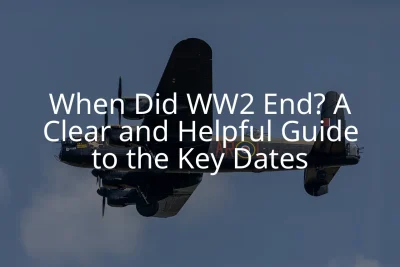
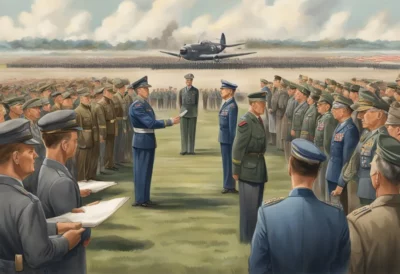
The Battle of Britain was a significant air campaign fought over the skies of the United Kingdom during World War II. It was a pivotal moment in the war, as the Royal Air Force (RAF) defended the country against the German Luftwaffe’s relentless bombing campaign. The battle was fought from July to October 1940 and involved some of the most skilled pilots of the war.
The historical context of the Battle of Britain was the German invasion of France and the Low Countries. The fall of France left Britain as the last major power standing against Nazi Germany in Western Europe. Hitler hoped to gain air superiority over the UK before launching a full-scale invasion. The battle was fought entirely in the air, and it was the first major military defeat for Nazi Germany.
Key players in the Battle of Britain included pilots from the RAF, including those from the famous No. 303 Polish Fighter Squadron. These pilots played a crucial role in repelling the German attacks and defending the country. The courage and tenacity of the RAF during this battle are often cited as a turning point in the war.
Key Takeaways
- The Battle of Britain was a pivotal air campaign fought over the skies of the UK during World War II.
- The battle involved some of the most skilled pilots of the war, including those from the famous No. 303 Polish Fighter Squadron.
- The courage and tenacity of the RAF during this battle are often cited as a turning point in the war.
Historical Context
Pre-War Tensions
The events leading up to the Battle of Britain can be traced back to the tensions that arose in Europe during the 1930s. The Treaty of Versailles, which ended World War I, had imposed harsh penalties on Germany, and this led to resentment and a desire for revenge among the German people. Adolf Hitler and the Nazi Party came to power in Germany in 1933, and they began to rearm the country in violation of the Treaty of Versailles. Hitler also pursued an aggressive foreign policy, annexing Austria in 1938 and then invading Czechoslovakia.
Germany’s Expansion
In September 1939, Germany invaded Poland, which led to Britain and France declaring war on Germany. The Germans then launched a series of successful military campaigns, including the invasion of Denmark and Norway, the Low Countries, and France. With France defeated, Hitler turned his attention to Britain. The German plan was to gain control of the skies over Britain, destroy the RAF, and prepare for a full-scale invasion.
The Battle of Britain began on 10 July 1940 and lasted until 31 October 1940. The Luftwaffe launched a series of attacks on British airfields, radar stations, and cities. The RAF responded with fierce resistance, and the Germans suffered heavy losses. The battle was a crucial turning point in the war, as it prevented the Germans from gaining air superiority and launching a full-scale invasion of Britain. The courage and determination of the RAF pilots, including those from the No. 303 Polish Fighter Squadron, played a crucial role in the outcome of the battle.
The Battle Begins
The Battle of Britain began on July 10, 1940, with the Luftwaffe’s launch of Operation Eagle Attack. The German forces aimed to destroy the RAF’s airfields and aircraft on the ground, clearing the way for a full-scale invasion of the UK. The first phase of the operation focused on attacking the coastal airfields, while the second phase targeted the inland airfields.
Operation Eagle Attack
The Luftwaffe launched a series of attacks on the coastal airfields, which were home to the RAF’s fighter squadrons. The attacks were carried out by a combination of bombers and fighters, with the aim of destroying the RAF’s aircraft on the ground. The attacks were initially successful, and the RAF suffered heavy losses. However, the RAF quickly adapted to the new threat and began dispersing its aircraft to other airfields, making them harder to target.
RAF’s Countermeasures
The RAF responded to the German attacks with a range of countermeasures. One of the most effective was the use of radar, which allowed the RAF to detect incoming enemy aircraft and scramble its fighters to intercept them. The RAF also developed new tactics, such as the “Big Wing” formation, which involved grouping several squadrons of fighters together to provide mutual support and overwhelm the enemy. The RAF’s pilots, including those from the No. 303 Polish Fighter Squadron, displayed great courage and determination in the face of the enemy, and their efforts helped to turn the tide of the battle.
Overall, the Battle of Britain was a challenging and intense campaign, but the RAF’s resilience and determination ensured that the UK remained undefeated.
Key Players
No. 303 Polish Fighter Squadron
No. 303 Polish Fighter Squadron was one of the most successful squadrons during the Battle of Britain. The squadron was formed on 2 August 1940 and consisted of Polish pilots who had escaped from Poland after the German invasion. The squadron quickly gained a reputation for their bravery and skill in combat. They were responsible for shooting down a significant number of German aircraft during the battle.
German Luftwaffe
The German Luftwaffe was the air force of Nazi Germany during World War II. During the Battle of Britain, the Luftwaffe attempted to gain air superiority over the UK. The Luftwaffe launched a series of attacks on British airfields, radar stations, and cities. Despite their initial success, the RAF was able to repel the German attacks and prevent them from gaining air superiority. The German Luftwaffe suffered significant losses during the battle, which ultimately weakened their air power for the rest of the war.
Overall, the Battle of Britain was a significant event during World War II, and the key players involved played a crucial role in the outcome of the battle.
Turning Point of the War
The Battle of Britain was a turning point in World War II. The RAF’s resilience during this battle played a crucial role in the eventual victory of the Allies. The battle marked the first time the German military had been stopped in their tracks, and it was the beginning of the end for Germany’s expansionist ambitions.
RAF’s Resilience
The RAF’s ability to withstand the German air attacks was due to a combination of factors. The pilots were highly skilled and well-trained, and they had the advantage of fighting on home turf. The RAF also had superior technology, such as the radar system, which allowed them to detect incoming German planes and prepare for their attack.
The RAF’s resilience was tested to the limit during the Battle of Britain. The Germans launched wave after wave of attacks, but the RAF managed to hold their ground. The pilots showed incredible bravery and determination, and their efforts paid off in the end.
Germany’s Retreat
The Battle of Britain marked the first time that Germany had been forced to retreat. The German Luftwaffe suffered heavy losses during the battle, and they were unable to gain air superiority over the UK. As a result, Germany was forced to abandon its plans to invade Britain.
The Battle of Britain was a significant victory for the Allies, and it marked a turning point in the war. The battle demonstrated that Germany was not invincible, and it gave the Allies the confidence they needed to continue the fight. The RAF’s resilience and bravery during the battle will always be remembered as a key factor in the eventual victory of the Allies.
Aftermath
Britain’s Morale
The Battle of Britain was a significant moment in British history, and it had a profound impact on the morale of the British people. The successful defense against the German Luftwaffe, despite being heavily outnumbered, was a source of pride and inspiration for the British population. The bravery of the RAF pilots, who fought tirelessly to protect their country, became a symbol of British resilience and determination.
Impact on World War II
The Battle of Britain was a turning point in World War II. The German Luftwaffe’s failure to gain air superiority over the RAF forced Hitler to abandon his plans to invade Britain. This was a significant setback for the Germans, who were forced to turn their attention to other fronts. The Battle of Britain also marked the end of Germany’s offensive operations in Europe, as they were forced to focus on defending their occupied territories.
The Battle of Britain was also significant in terms of the wider war effort. The RAF’s success in repelling the German attacks gave the Allies a much-needed boost in morale. It also had a significant impact on the United States’ decision to enter the war. The American public was impressed by the bravery of the RAF pilots and the resilience of the British people, which was a factor in their decision to support the Allied war effort.
In conclusion, the Battle of Britain was a pivotal moment in British and world history. The courage and tenacity of the RAF during this battle had a significant impact on the outcome of World War II. It remains a testament to the bravery of the pilots who fought to protect their country and the determination of the British people to defend their freedom.
Legacy
Influence on Air Warfare
The Battle of Britain had a significant influence on air warfare tactics and strategy. The success of the RAF in defending the UK against the German Luftwaffe showcased the importance of air superiority in modern warfare. The battle also highlighted the importance of radar technology in detecting and intercepting enemy aircraft.
The tactics used by the RAF during the Battle of Britain, such as the use of Spitfire and Hurricane fighter planes, and their effective use of radar, have been studied and emulated by air forces around the world. The battle also led to the development of new fighter planes and technologies, such as the jet engine, which would play a crucial role in future conflicts.
Cultural Impact
The Battle of Britain has had a significant cultural impact on the UK and beyond. The bravery and determination of the RAF pilots, including those from the No. 303 Polish Fighter Squadron, have become legendary. The battle has been the subject of numerous books, films, and documentaries, further cementing its place in popular culture.
The phrase “The Few”, used to describe the pilots who fought in the battle, has become synonymous with heroism and sacrifice. The Battle of Britain Memorial Flight, which includes original and replica aircraft from the battle, continues to tour the UK, reminding people of the sacrifices made by those who fought in the battle.
Overall, the Battle of Britain remains a symbol of the courage and tenacity of the RAF and the British people during one of the most challenging periods in modern history.
Frequently Asked Questions
What was the significance of the Battle of Britain in World War II?
The Battle of Britain was a significant air campaign fought between the Royal Air Force (RAF) and the German Luftwaffe during World War II. The battle was fought from July to October 1940, and its significance lies in the fact that it prevented Germany from gaining air superiority over the UK, which would have made it easier for Germany to launch a successful invasion of Britain. The victory of the RAF in this battle was a major morale boost for the Allies and a turning point in the war.
How did the RAF defend against German bombers during the Battle of Britain?
The RAF used a combination of tactics to defend against German bombers during the Battle of Britain. They relied on radar to detect incoming enemy planes and quickly scrambled fighter planes to intercept them. The Spitfire and Hurricane fighter planes were used extensively, and the pilots were highly skilled in dogfighting. The RAF also used anti-aircraft guns to shoot down enemy planes.
What role did the No. 303 Polish Fighter Squadron play in the Battle of Britain?
The No. 303 Polish Fighter Squadron was one of the most successful squadrons during the Battle of Britain. The Polish pilots flew Hawker Hurricanes and were known for their bravery and skill in combat. They shot down a significant number of German planes and played a crucial role in the defense of the UK.
What were the casualties of the Battle of Britain?
The Battle of Britain was a costly campaign for both sides. The RAF lost 1,023 planes and 544 pilots, while the Germans lost 1,887 planes and 2,500 pilots. The civilian casualties were also significant, with around 40,000 people killed or injured.
When did the Battle of Britain end?
The Battle of Britain officially ended on October 31, 1940, when Hitler postponed Operation Sea Lion, the planned invasion of Britain. The Germans had failed to gain air superiority over the UK, and the RAF had successfully defended the country against the German Luftwaffe.
Why is the Battle of Britain considered a turning point in the war?
The Battle of Britain is considered a turning point in the war because it prevented Germany from gaining air superiority over the UK, which would have made it easier for Germany to launch a successful invasion of Britain. The victory of the RAF in this battle was a major morale boost for the Allies and a turning point in the war. It also marked the first major defeat of Hitler’s military forces.