
During World War Two, chocolate bars were a vital part of the British ration. The availability of chocolate was limited due to the scarcity of ingredients and resources during the war. As a result, the chocolate bars provided to soldiers and civilians were often of a different composition and taste compared to pre-war varieties. The article will explore the significance of chocolate bars in the British ration during World War Two, shedding light on the impact of wartime conditions on the production and consumption of this beloved treat.
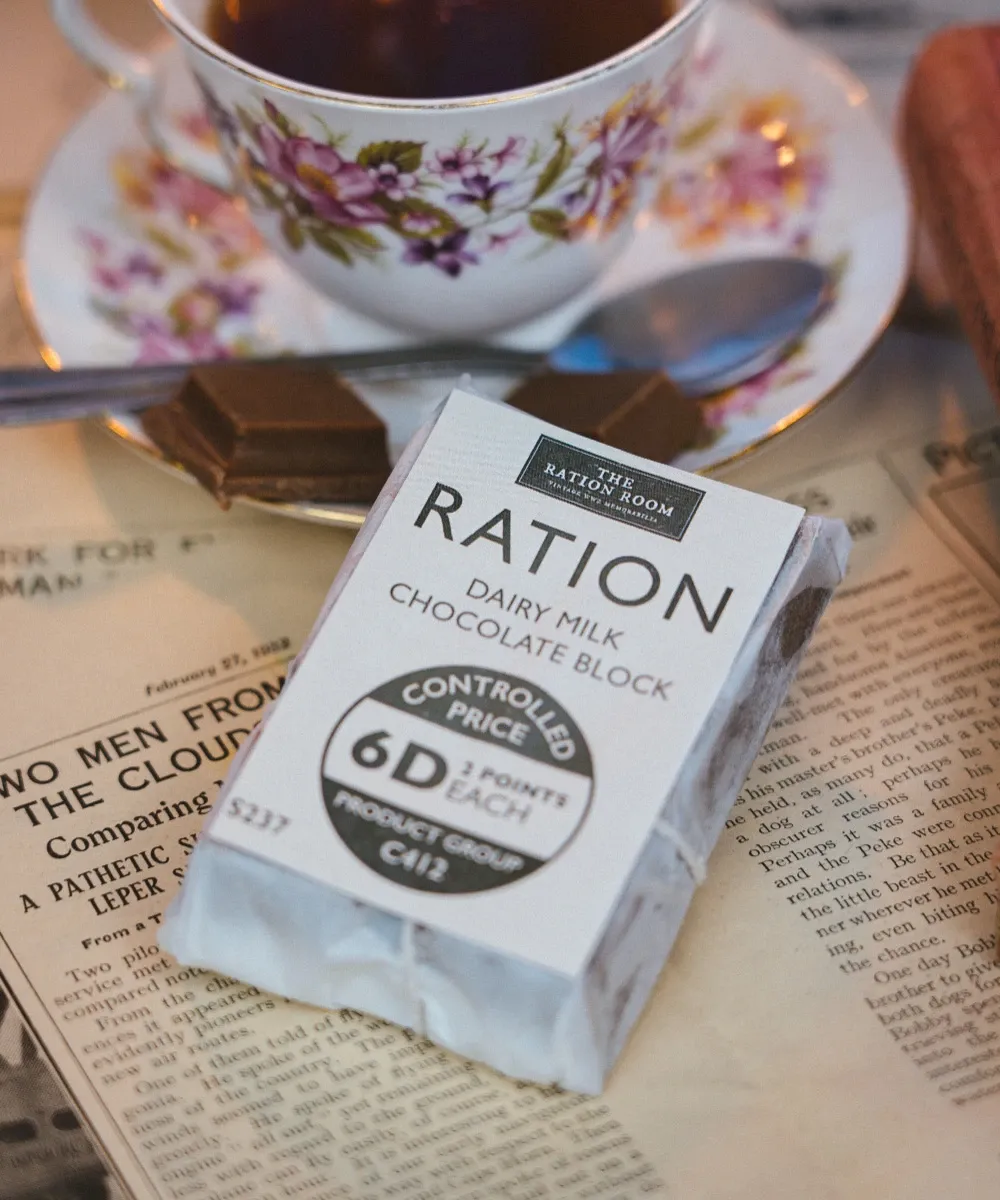
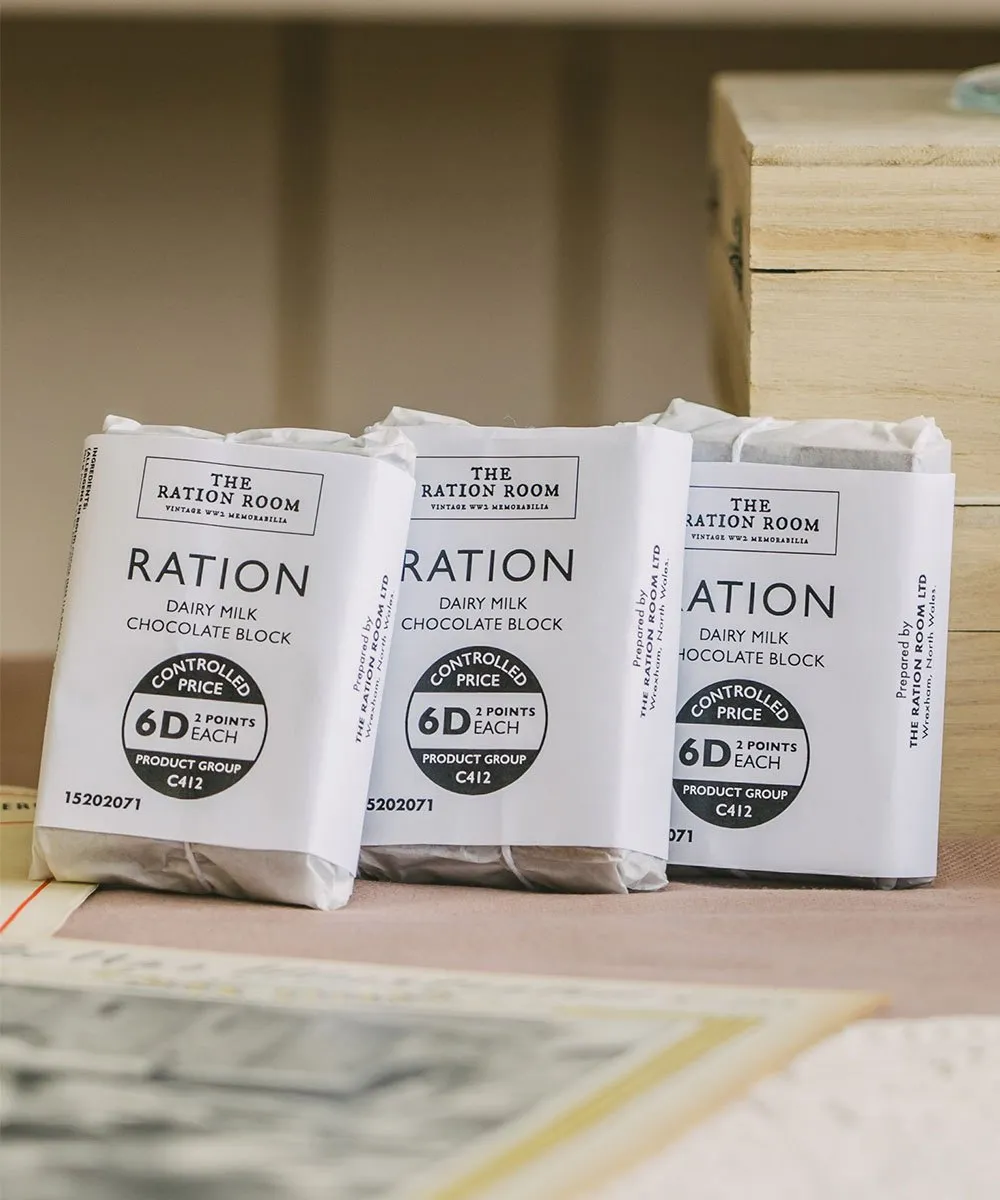
Dairy Milk Ration Chocolate Bar by The Ration Room.
The scarcity of ingredients during the war led to the production of chocolate bars with altered recipes to accommodate the limited resources. This resulted in a distinct taste and texture that differed from the traditional chocolate bars.
Historical Context of British Rationing
Pre-War Confectionery Industry
Before the outbreak of the Second World War, the confectionery industry in Britain was thriving. The chocolate industry, in particular, was booming with companies like Cadbury, Fry’s, and Rowntree’s producing a wide range of chocolate products. However, the onset of war brought about significant changes in the way food was produced and consumed in Britain.
Rationing During the Second World War
At the start of the Second World War, Britain was importing a significant amount of food, including 70% of its sugar and cheese, 80% of its fruit, and 70% of cereals and fats [1]. The government introduced rationing in January 1940 to ensure fair distribution of food supplies and to prevent hoarding. Every person was given a ration book with coupons, which they had to present before buying rationed goods [1].
Rationing affected all aspects of food production and consumption, including confectionery. Chocolate was a luxury item that was rationed, and manufacturers had to adapt to the new restrictions. In 1941, the government banned the use of fresh milk in the production of chocolate, leading to the cessation of production of Cadbury Dairy Milk. Instead, Cadbury’s produced “Ration Chocolate,” made with dried skimmed milk powder [5].
Evolution of Rationing: 1930s to 1940s
The introduction of rationing in 1940 was not the first time the British government had implemented such a scheme. The government introduced rationing during the First World War, and the experiences of that war informed the rationing policies of the Second World War. The government expected the Second World War to be a “total war,” meaning that all resources of society would have to be mobilised, and civilians would also be affected by the war [2].
Overall, rationing was a significant part of life during the Second World War in Britain, and it had a profound impact on the confectionery industry. Manufacturers had to adapt to the new restrictions and produce chocolate bars that met the requirements of rationing. The evolution of rationing from the 1930s to the 1940s was a reflection of the changing circumstances of the war and the need to ensure fair distribution of food supplies.
Components of British Ration Chocolate Bars
Ingredients and Nutritional Value
British Ration chocolate bars were made from a combination of ingredients, including sugar, milk, oat flour, cocoa butter and milk powder. The exact recipe varied depending on the availability of ingredients during the war. The chocolate bars were designed to provide a source of energy and nutrients for soldiers and civilians during the war.
The nutritional value of the chocolate bars was limited due to the rationing of ingredients during the war. Each bar contained approximately 600-700 calories, with a small amount of vitamins and minerals. Despite the limited nutritional value, chocolate bars were an important source of energy for soldiers and civilians during the war.
Manufacturing Process
The manufacturing process for British Ration chocolate bars in World War Two was similar to that of regular chocolate bars, with the exception that the ingredients were rationed due to the war. The factories that produced the bars were located close to the docks in London, Bristol, and Liverpool, as these were the main ports for importing raw materials from abroad.
The factories would receive the raw materials, such as sugar and cocoa, and convert them into finished products for the shops. The chocolate bars were then wrapped in paper or foil and distributed to shops and ration stations across the country.
Varieties of Ration Chocolate Bars in World War Two
There were several varieties of British Ration chocolate bars available during the war. These included plain chocolate bars, milk chocolate bars, and bars with added ingredients such as nuts or raisins. The bars were available in different sizes, ranging from small bars that were included in soldiers’ rations, to larger bars that were sold in shops.
Despite the limited availability of ingredients, chocolate bars were popular among soldiers and civilians during the war. They provided a much-needed source of energy and comfort during a difficult time in British history.
Distribution and Consumption

Chocolate British Military Rations in World War II
Rationing System and Coupons
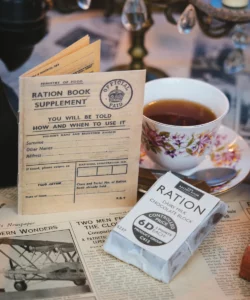
During World War Two, the British government implemented a rationing system to ensure that essential goods, including food items like chocolate bars, were distributed fairly among the population. Each person was issued a ration book containing coupons that they could exchange for a limited amount of food each week. This system ensured that everyone had access to the same amount of food, regardless of their income or social status.
The chocolate bars were included in the sweet rationing category, and each person was allowed to purchase a limited number of bars per month. The rationing system ensured that the chocolate bars were distributed fairly among the population, and no one could purchase more than their allotted amount.
Role in Soldiers’ Diets
Chocolate bars were also an essential part of the ration packs issued to British soldiers during the war. The bars were a high-energy food source that provided soldiers with the necessary nutrients to keep them going during long periods of combat. Soldiers often received a chocolate bar with their daily rations, and it was considered a morale booster for troops on the front lines.
Impact on Civilian Morale
The distribution of chocolate bars during the war had a significant impact on civilian morale. The bars were a rare treat during a time of scarcity, and they provided a much-needed boost to the spirits of the British people. The government recognised the importance of chocolate bars in maintaining civilian morale, and they made sure to include them in the rationing system.
Cultural and Social Significance
Chocolate as Morale Booster
During World War Two, chocolate bars were one of the few luxuries that soldiers and civilians could enjoy. The British government recognised the importance of chocolate as a morale booster, and so they ensured that chocolate was included in the ration packs that were distributed to troops. The chocolate bars were often the highlight of the ration pack, and they provided a much-needed source of energy and comfort to the soldiers.
Wartime Sweets and Public Sentiment
Wartime sweets were a symbol of hope and comfort for the British public during World War Two. Sweets were a luxury that many people could not afford, and so they became a symbol of the good life that people hoped to return to after the war. The government recognised the importance of sweets as a morale booster, and so they allowed some sweets to be produced despite the rationing of sugar.
Post-War Perception of Ration Chocolate
After the war, ration chocolate bars became a symbol of victory and resilience for the British people. The chocolate bars were a reminder of the sacrifices that were made during the war, and they were seen as a symbol of the strength and determination of the British people. Even though ration chocolate bars were often of lower quality than commercial chocolate bars, they were still highly valued by the British people.
Legacy and Memorabilia
Chocolate Rations in Museums
The legacy of British ration chocolate bars in World War Two can be seen in various museums around the world. For instance, the Imperial War Museums in the UK has a collection of Cadbury’s Ration chocolate bars [1]. These chocolate bars were part of the daily rations given to soldiers to boost morale and provide energy during the war.
In addition to the Imperial War Museums, the National Army Museum in London also has a collection of ration chocolate bars. Visitors can see and learn about the history of these chocolate bars and their significance during the war.
[1] Imperial War Museums. Cadbury’s Ration chocolate. https://www.iwm.org.uk/collections/item/object/30106794. Accessed 12 Feb. 2024.
Frequently Asked Questions

Two bars of British Ration Chocolate (Date 1944-1945)
What were the typical contents of chocolate rations for British soldiers during the Second World War?
The chocolate rations for British soldiers during the Second World War typically contained cocoa powder, milk powder, sugar, and sometimes oat flour and vitamins. The chocolate bars were designed to be high in energy and calories, to provide soldiers with sustenance during long days of fighting.
What was the purpose of chocolate rations for military personnel in World War Two?
The purpose of chocolate rations for military personnel in World War Two was to provide them with a source of energy and nutrition during long periods of fighting. Chocolate bars were easy to carry and did not spoil quickly, which made them a convenient source of sustenance for soldiers. Additionally, chocolate was believed to have a positive effect on soldiers’ morale, providing them with a small taste of home during difficult times.
How were chocolate rations distributed to the British public during the war?
Chocolate was a luxury item during the war, and as such, it was heavily rationed. Chocolate rations were distributed to the British public through a system of ration books, which allocated a certain amount of chocolate to each person each week. The amount of chocolate available varied depending on the availability of ingredients and the demands of the war effort.
Which brands produced chocolate bars for the war effort in the 1940s in the UK?
Several brands produced chocolate bars for the war effort in the UK during the 1940s, including Cadbury, Rowntree, Fry’s, and Mackintosh’s. These companies were tasked with producing chocolate bars that met the strict nutritional requirements of the military, while also using limited ingredients due to rationing.
What impact did rationing have on the availability and quality of chocolate in the UK during and after the war?
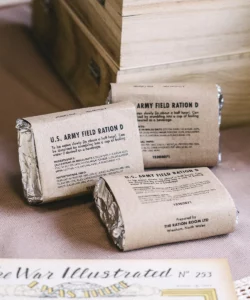
Rationing had a significant impact on the availability and quality of chocolate in the UK during and after the war. Chocolate was heavily rationed during the war, which meant that it was in short supply and often of lower quality than before the war. After the war, rationing continued for several years, which further limited the availability and quality of chocolate. However, the experience of rationing also led to the development of new types of chocolate, such as the D Ration bar, which was specifically designed for military use and had a longer shelf life than civilian chocolate bars.