
What does the D mean in D-Day? Explained
Have you ever wondered what the “D” in D-Day stands for? It’s a question that has puzzled many people over the years, and there are a few different theories out there. Some believe that it simply stands for “day,” while others think it might refer to the word “departure” or “decision.”
In reality, the “D” in D-Day is actually a military term that has been used for centuries. It stands for “day of the operation,” and it is used to refer to the day on which a military operation is scheduled to take place. This could be anything from a small-scale raid to a full-scale invasion, and the term has been used in a variety of different contexts over the years.
Despite its widespread use, however, the origins of the term are somewhat unclear. Some historians believe that it may have originated during World War I, while others think that it may have been used as far back as the Napoleonic Wars. Whatever its origins, though, there is no denying that the term has become synonymous with some of the most important military operations in history.
Historical Context
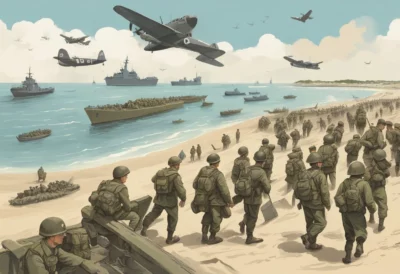
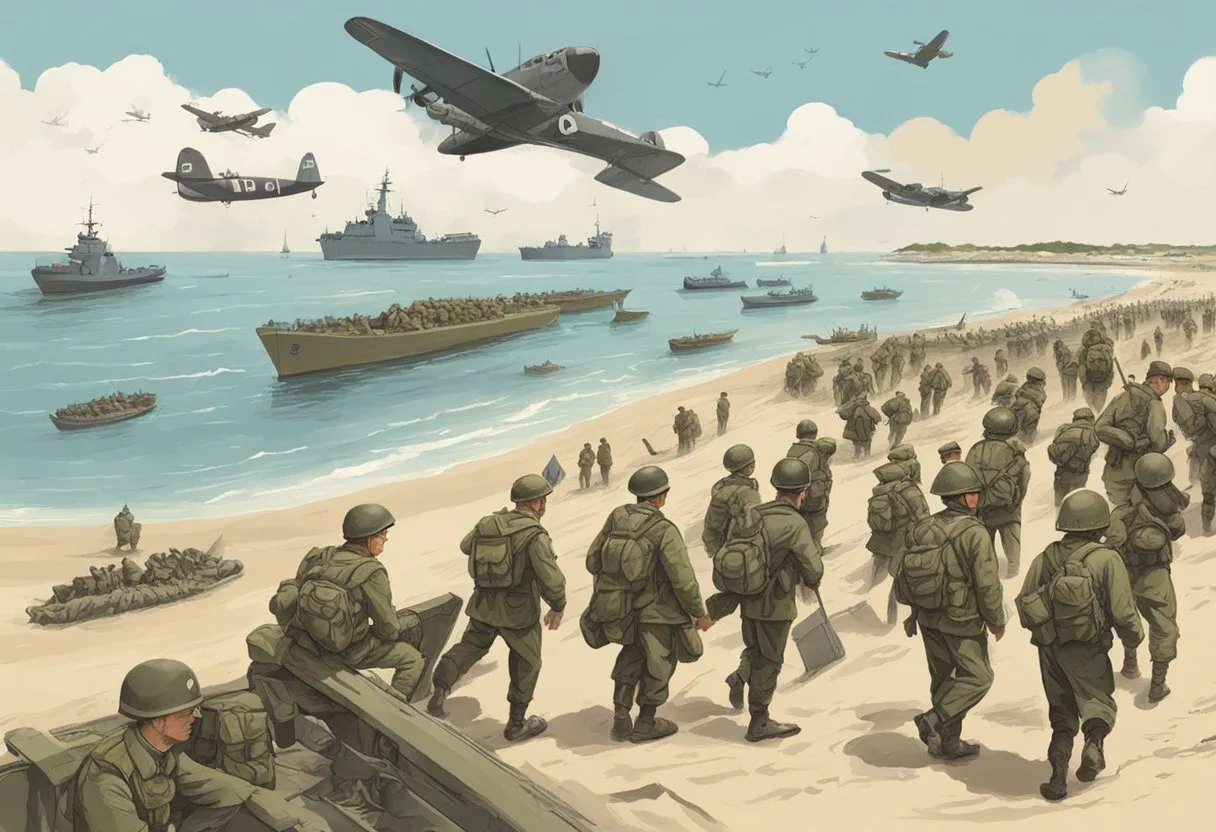
As we explore the meaning of the “D” in D-Day, it is important to understand the historical context in which the term was coined. D-Day refers to the Allied invasion of Normandy, France on June 6th, 1944 during World War II.
The invasion was a crucial turning point in the war, as it marked the beginning of the end of Nazi Germany’s control over Europe. The operation involved a massive coordinated effort by the Allied forces, including troops from the United States, Canada, and the United Kingdom.
The term “D-Day” was used to refer to the day on which the invasion was scheduled to take place, but the specific date was not always known in advance due to the need for secrecy. Therefore, the term “D-Day” was used as a placeholder for the actual date of the invasion.
The use of the term “D-Day” was not unique to the Normandy invasion, as it had been used in previous military operations to refer to the day on which a specific mission was scheduled to take place. However, the Normandy invasion is perhaps the most famous use of the term, and it has since become synonymous with the Allied victory in World War II.
Overall, the historical context surrounding the use of the term “D-Day” highlights the importance of the Normandy invasion in the Allied effort to defeat Nazi Germany. The term serves as a reminder of the sacrifices made by the Allied forces and the impact of their victory on the course of history.
Origins of ‘D’ in D-Day
When we hear the term ‘D-Day’, we often wonder what the ‘D’ stands for. Many people believe that it stands for ‘Departure Day’ or ‘Decision Day’, but these are actually misconceptions.
The truth is that the ‘D’ in D-Day stands for ‘Day’. This was a common military term used to refer to the day on which an operation would begin. The term ‘D-Day’ was used extensively during World War II, and it was used to refer to the date on which a military operation was scheduled to take place.
The use of the term ‘D-Day’ dates back to the First World War, but it was during the Second World War that it became widely known. The term was used to refer to the day on which the Allied forces would launch their invasion of Normandy, which took place on June 6, 1944.
The use of the term ‘D-Day’ was not limited to the Normandy invasion. It was used to refer to the start of many military operations during the war. For example, the invasion of Sicily was referred to as ‘D-Day’ as well.
In conclusion, the ‘D’ in D-Day stands for ‘Day’. It was a common military term used to refer to the day on which a military operation would begin. The term was widely used during World War II and was not limited to the Normandy invasion.
Military Significance
D-Day was a pivotal moment in World War II. It marked the beginning of the end for Nazi Germany and a turning point in the war. We, as military historians, understand the significance of this event and its impact on the outcome of the war.
The military significance of D-Day lies in the fact that it was the largest amphibious invasion in history. We had to coordinate a massive effort involving over 156,000 Allied troops, 5,000 ships, and 11,000 aircraft to land on the beaches of Normandy, France. This required extensive planning and preparation, including the construction of artificial harbours and the deployment of specialised equipment.
The success of the operation was critical to the Allied war effort. It allowed us to establish a foothold in Europe and begin the push towards Germany. The invasion also diverted German forces away from the Eastern Front, where they were already engaged in a fierce battle with the Soviet Union.
However, the operation was not without its challenges. We faced heavy resistance from the German forces, who had heavily fortified the beaches and were prepared for an invasion. The casualties on both sides were significant, with over 10,000 Allied troops losing their lives during the invasion.
Despite the challenges, the military significance of D-Day cannot be overstated. It was a tremendous feat of coordination and bravery that ultimately led to the defeat of Nazi Germany and the end of the war in Europe.
Common Misconceptions
We often hear people using the term “D-Day” to refer to the day of the Normandy landings on June 6, 1944. However, there are some common misconceptions about the meaning of the “D” in D-Day. Here are some of them:
1. D stands for “Decision”
One of the most widespread misconceptions is that the “D” in D-Day stands for “Decision.” Some people believe that the term was used to refer to the day on which important decisions were made about the invasion. However, this is not true. In fact, the term “D-Day” was used by the military long before the Normandy landings, and it was used to refer to any day on which a military operation was scheduled to take place.
2. D stands for “Deliverance”
Another common misconception is that the “D” in D-Day stands for “Deliverance.” Some people believe that the term was used to refer to the day on which the Allies delivered Europe from the grip of Nazi Germany. However, this is also not true. The term “D-Day” was simply a code for the day on which a military operation was scheduled to take place, and it did not have any specific meaning.
3. D refers to the date of the operation
Some people believe that the “D” in D-Day refers to the date of the Normandy landings, which was June 6, 1944. However, this is not true. The term “D-Day” was used to refer to any day on which a military operation was scheduled to take place, and it did not necessarily have anything to do with the date of the operation.
In conclusion, the “D” in D-Day does not have any specific meaning. It was simply a code for the day on which a military operation was scheduled to take place. We hope that this section has helped to clarify some of the common misconceptions about the term.
D-Day in Popular Culture
As a significant event in history, D-Day has been featured in various forms of popular culture. From movies to video games, the invasion of Normandy has been portrayed in many ways. Here are a few examples:
Movies
Many films have depicted D-Day, including “The Longest Day” (1962), “Saving Private Ryan” (1998), and “Dunkirk” (2017). These movies showcase the bravery and sacrifice of the soldiers who fought on that day. They also highlight the strategic planning and coordination required for such a massive operation.
Video Games
D-Day has been a popular setting for video games. Games such as “Call of Duty 2” (2005), “Medal of Honor: Allied Assault” (2002), and “Brothers in Arms: Road to Hill 30” (2005) allow players to experience the invasion firsthand. These games often include historically accurate weapons, vehicles, and locations.
Literature
D-Day has been the subject of many books, both fiction and non-fiction. Stephen E. Ambrose’s “D-Day: June 6, 1944: The Climactic Battle of World War II” is a popular non-fiction account of the invasion. Ken Follett’s novel “The Key to Rebecca” is a fictional story set during the days leading up to D-Day.
Overall, D-Day has left a lasting impact on popular culture. Its significance and the bravery of those who fought on that day continue to be celebrated and remembered.
Frequently Asked Questions
Why is it referred to as D-Day?
D-Day is a term used to describe the day when a military operation is set to begin. It is commonly used to refer to the Allied invasion of Normandy during World War II, which took place on June 6, 1944. The term D-Day was used simply to designate the day on which the operation would begin, without revealing the actual date.
What significance does the ‘D’ hold in the context of D-Day?
The ‘D’ in D-Day is simply a designation for the day on which a military operation is set to begin. It does not hold any special significance beyond that.
Can you explain the origins of the term D-Day?
The term D-Day has been used by the military for many years to designate the day on which a military operation is set to begin. The origins of the term are unclear, but it is thought to have been used as early as World War I.
What are the historical implications of D-Day?
The Allied invasion of Normandy on D-Day was a turning point in World War II. It allowed the Allies to establish a foothold in Europe and begin the liberation of France from German occupation. The success of the operation paved the way for the eventual defeat of Nazi Germany.
In what way does D-Day differ from V-Day?
D-Day and V-Day are both military terms used to designate the beginning and end of a military operation. D-Day refers to the day on which an operation begins, while V-Day refers to the day on which an operation is completed.
How does the term D-Day resonate in modern language?
The term D-Day is still used today to refer to the beginning of an important event or operation. It has become a part of popular culture and is often used in media and entertainment to add drama and significance to a story.